Licensed Contractor vs. “A Guy I Know”: What Homeowners Need to Know Before Starting a Landscape Project
When it comes to transforming your outdoor space, the temptation to save money by hiring “a guy” instead of a licensed contractor can be strong. Maybe it’s a referral from a friend, a neighbor’s handyman, or someone offering a deal that seems too good to pass up. But in the world of landscape and hardscape construction, that decision can come with serious consequences.
Here’s what actually separates a licensed contractor from an unlicensed one—and why it matters more than most homeowners realize.
What a Licensed Contractor Brings to the Table
A licensed contractor isn’t just someone who knows how to lay pavers or install irrigation. They’ve met state requirements that typically include testing, verified experience, and adherence to building codes and regulations.
More importantly, licensed contractors are required to carry:
Liability insurance– protects your property if something goes wrong
Workers’ compensation– covers injuries on your job site
Bonding– offers financial protection if the contractor fails to complete the job properly
A licensed contractor also pull permits when required, follow local codes, and are accountable to a licensing board. That accountability is a big deal—because it gives you recourse if something goes wrong.
What You’re Really Getting with “A Guy”
Hiring an unlicensed contractor often means:
No insurance
No permits
No formal contract (or a very vague one)
No legal accountability
While some unlicensed individuals may have experience, there’s no verification of their skill, no oversight, and no safety net for you as the homeowner.
The Risks of Hiring Unlicensed Landscape & Hardscape Contractors
1. Liability Falls on You
If someone gets injured while working on your property and they’re not insured, you could be held financially responsible. That includes medical bills and potential legal claims.
2. No Permits = Big Problems Later
Hardscape features like retaining walls, outdoor kitchens, drainage systems, and structural elements often require permits. If work is done without them:
You may be forced to tear it out
You could face fines
It can delay or complicate selling your home
3. Poor Workmanship & Costly Repairs
Improper base prep, drainage mistakes, or incorrect installation can lead to:
Sinking or shifting pavers
Cracked concrete
Water damage near your home’s foundation
Fixing these issues often costs significantly more than doing it right the first time.
4. No Warranty or Recourse
If a licensed contractor does poor work, you have options—through their bond, insurance, or licensing board. With an unlicensed contractor, once they’re gone, your options are extremely limited.
5. Hidden Costs That Erase “Savings”
That lower bid can quickly disappear when:
Work needs to be redone
Materials fail prematurely
You have to hire a licensed contractor to fix code violations
What Actually Goes Into a Professional Outdoor Project
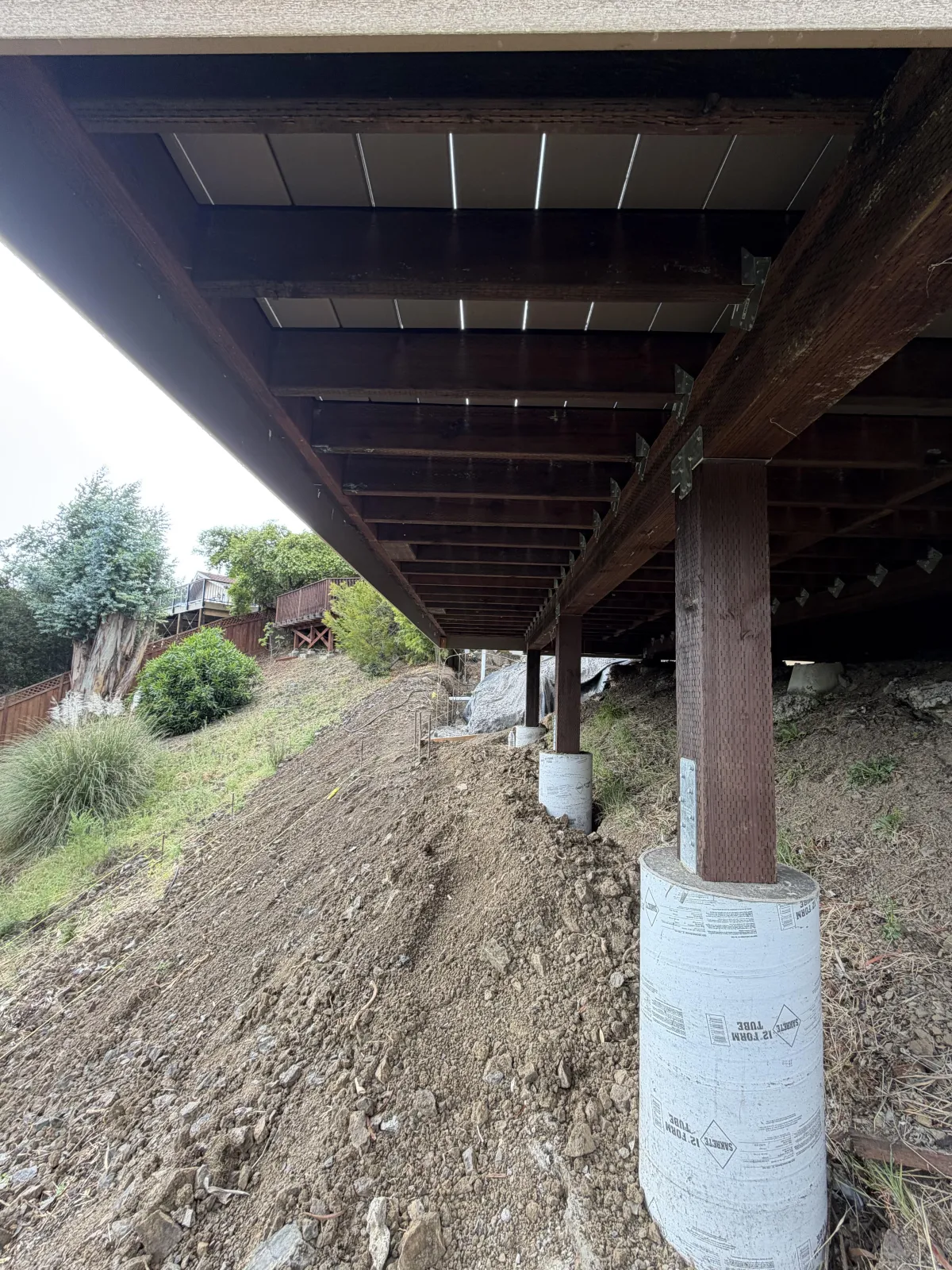
One thing many homeowners don’t see at the surface is what supports a well-built project behind the scenes.
Professional landscape and hardscape construction typically includes proper site preparation, drainage planning, skilled labor, project management, and compliance with local building requirements. It also includes insurance and protections that safeguard both the homeowner and the workers on site.
These elements may not always be visible in a bid, but they play a major role in how well a project performs over time.
When It Might Seem “Fine”… But Isn’t
You might think, “It’s just a small project.” But even seemingly simple jobs like patios, walkways, or drainage can have long-term impacts on your property if done incorrectly.
Water runoff, soil movement, and structural integrity don’t care how small the project seemed at the start.
The Bottom Line
Hiring a licensed contractor isn’t just about checking a box—it’s about protecting your investment, your property, and yourself.
A professionally designed and built outdoor space should add value, function, and enjoyment to your home for years. Cutting corners at the hiring stage is one of the fastest ways to undermine all of that.
